0
0
 0
0
Understanding the psychological effects of gambling on decision-making and behavior
The Nature of Gambling and Its Appeal
Gambling inherently combines risk and reward, attracting individuals with the allure of potentially life-changing wins. This appeal can often overshadow the potential consequences of excessive gambling, leading many to engage more than they initially intended. For those looking for the best sports betting sites, the thrill of placing bets, coupled with the instant gratification of immediate results, triggers a unique psychological response that can skew a person’s ability to assess risk accurately.
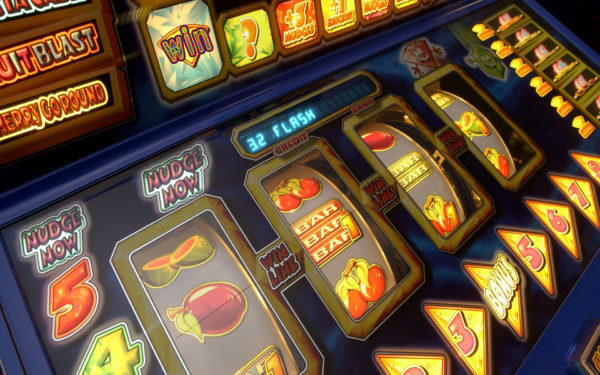
Furthermore, many people may start gambling as a form of entertainment or social interaction, viewing it as a casual pastime. However, the environment—whether it’s a bustling casino or an online betting platform—can intensify emotions, contributing to impulsive behavior. The rapid pace of gambling can lead to a state of cognitive overload, where individuals may find themselves making hasty decisions without fully considering the implications.
Ultimately, the mix of excitement, social dynamics, and the possibility of winning creates a complex psychological landscape. Understanding these elements can provide insights into why individuals sometimes gamble beyond their means or develop compulsive gambling behaviors. It’s crucial for beginners to recognize these factors to maintain healthy engagement with gambling activities.
The Role of Cognitive Biases in Gambling
Cognitive biases significantly influence decision-making in gambling scenarios. One common bias is the “gambler’s fallacy,” where individuals believe that past events will affect future outcomes. For instance, a person might think that after losing several times in a row, they are “due” for a win. This flawed reasoning can lead to chasing losses, ultimately exacerbating financial difficulties.
Another significant bias is overconfidence, where gamblers may overestimate their skill or luck. This can lead to increased betting amounts or frequency, driven by the illusion of control over outcomes. In reality, many forms of gambling, like slot machines or roulette, are based purely on chance, and understanding this distinction is vital for responsible gambling practices.
These cognitive biases create an environment where rational decision-making is often compromised. By recognizing the prevalence of these biases, beginners can become more aware of their thought processes while gambling, potentially reducing the likelihood of making impulsive or harmful decisions. Education and self-awareness are key in combating these mental traps.
The Emotional Rollercoaster of Gambling
The emotional effects of gambling can be profound and multifaceted. From the initial excitement of winning to the despair of losing, emotions can fluctuate dramatically. This rollercoaster effect can cause individuals to experience stress, anxiety, and even depression, particularly when gambling becomes a means to escape from life’s pressures. Understanding these emotional impacts is crucial for anyone considering gambling as a hobby.
Moreover, the social aspect of gambling can amplify these emotional responses. For example, sharing wins with friends can enhance feelings of happiness and camaraderie, while losses may lead to shame or embarrassment. This interplay between emotional highs and lows can create a cycle where individuals repeatedly return to gambling, seeking the thrill that often eludes them, reinforcing a potentially harmful habit.
Recognizing the emotional consequences of gambling is an essential step toward achieving a balanced perspective. Beginners should be encouraged to monitor their feelings and consider the broader impacts of gambling on their emotional well-being. By doing so, they can develop healthier coping mechanisms and establish limits to enjoy gambling without allowing it to control their lives.
Behavioral Changes Associated with Gambling
Gambling can instigate various behavioral changes, some of which may be alarming to friends and family. As individuals become more engrossed in gambling, they may prioritize it over personal relationships, responsibilities, or financial obligations. This shift in priorities can strain familial and social bonds, often leading to isolation and loneliness.
In some cases, gambling can lead to compulsive behaviors, where individuals may feel a need to gamble more frequently or with larger sums. This compulsivity can result in significant financial issues, as people may resort to borrowing money or engaging in dishonest behaviors to fund their gambling activities. Such changes can spiral out of control, leading to devastating consequences for both the individual and their loved ones.
Behavioral shifts due to gambling underscore the importance of self-regulation and awareness. Newcomers to gambling should take proactive steps to set limits on their time and financial expenditure to avoid falling into a cycle of compulsive behavior. Understanding the potential for behavioral changes can empower individuals to make informed choices, ensuring that gambling remains a fun and social activity rather than a source of distress.

Resources for Responsible Gambling
As individuals delve into the world of gambling, it is vital to have access to resources that promote responsible behavior. Many organizations and support groups offer valuable information and assistance for those who may find themselves struggling with their gambling habits. These resources often include educational materials, counseling services, and hotlines for immediate support, helping individuals understand the psychological effects of gambling.
Additionally, many online gambling platforms now implement tools that allow users to set personal limits on their betting activities. Such measures can assist individuals in maintaining control, ensuring that gambling remains a form of entertainment rather than a source of distress. By utilizing these tools and resources, individuals can foster a safer gambling environment for themselves.
Ultimately, being informed and proactive is crucial. By taking advantage of available resources, individuals can enhance their understanding of the psychological dynamics involved in gambling. This awareness can lead to healthier decision-making and behavior, allowing individuals to engage in gambling responsibly while minimizing the associated risks.