0
0
 0
0
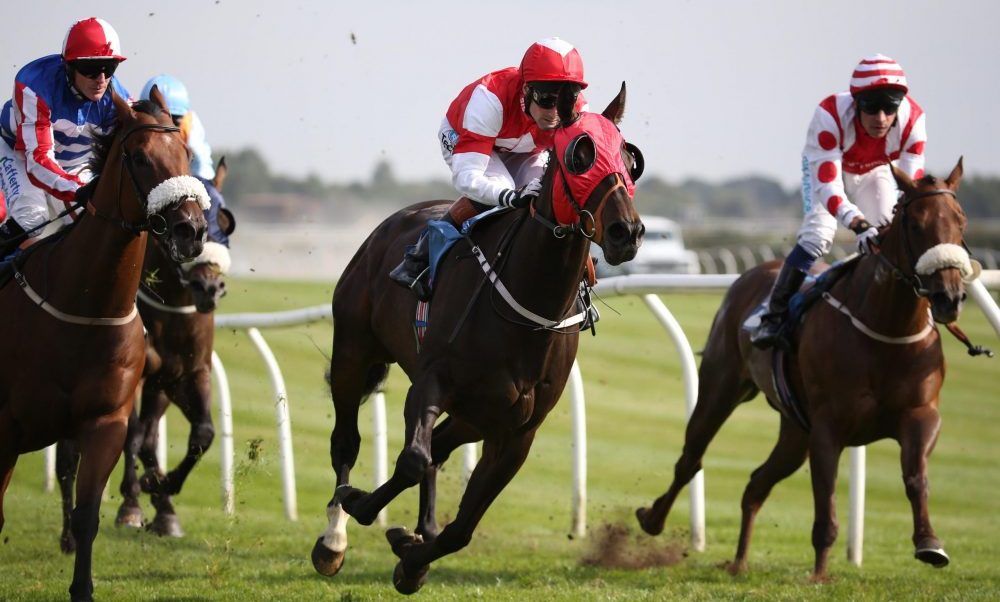
Horse racing has long been an integral aspect of UK culture, a sport that intertwines excitement, strategy, and betting. However, there are instances when notable events in the racing calendar may not take place. If you’re seeking UK horse racing not on GamStop non GamStop horse racing sites, it’s essential to understand why certain races might be sidelined and how this affects both enthusiasts and bettors alike. In this article, we will delve into the reasons behind the suspension of certain events, what this means for the industry, and how fans can remain engaged even when their favorite races are not on.
The History of Horse Racing in the UK
Horse racing in the UK can trace its roots back to at least the 16th century. Initially a pastime for the aristocracy, it quickly evolved into a well-organized sport with established rules and a wider audience. Over the centuries, iconic events such as The Derby at Epsom and The Grand National at Aintree became synonymous with the racing calendar, drawing in millions of spectators, both on-site and via broadcasts.
These events form the backbone of the racing scene, and when any of them face cancellation or rescheduling, it sends ripples through the community of fans and bettors who live for the thrills of the tracks.
Reasons for Race Suspension
There are several factors that can lead to the cancellation of horse racing events in the UK. Weather conditions pose one of the most significant threats to race schedules. Heavy rainfall can make tracks unsafe for horses, leading to cancellations, while extreme heat can also cause concern for horse welfare.
Another vital aspect is health and safety regulations, which may be enforced due to outbreaks of diseases among horses, such as equine influenza or strangles. These health concerns necessitate a quick response to ensure the welfare of both the horses and the jockeys.
Beyond health concerns, logistical issues, such as problems with track maintenance or inadequate staffing, can also lead to race cancellations. The recent years have seen a spike in such disruptions, emphasizing the need for flexibility and contingency planning in racing operations.
The Impact of Cancellations
The implications of race cancellations are far-reaching. For fans, particularly those who have traveled to attend big races, the disappointment can be significant. Betting activities also see a drop during these periods, impacting revenue for the tracks, owners, and other stakeholders involved in the racing community. The broader economy can also take a hit, especially in towns and cities where racing events generate substantial local income.
For bookmakers, cancelled events can mean the loss of anticipated revenue, but it also opens the door to alternative betting formats. For example, bettors can participate in virtual racing or other sports betting options, which have grown increasingly popular. This shift showcases the importance of adaptability in the betting industry.
Staying Engaged: Alternatives for Racing Enthusiasts
Even when traditional races are not on, there are various ways for horse racing enthusiasts to stay connected to the sport. Offline, many racing clubs hold regular gatherings to discuss upcoming events or analyze past races, ensuring community engagement. There are also plenty of online platforms and forums where fans can share insights and experiences.
From a betting perspective, enthusiasts can explore non GamStop horse racing sites, which offer a variety of alternatives to keep the adrenaline going during off-peak race times. Virtual horse racing has become a popular substitute, providing an avenue for betting without the constraints of live events. This development represents the innovation within the industry, ensuring that fans can find ways to engage even when physical races are not occurring.
The Future of UK Horse Racing
While the challenges of cancellations can pose threats to the sustainability of horse racing, they also present opportunities for growth and modernization in the industry. Increased accessibility to betting platforms, as well as advancements in technology, bring exciting prospects that can entice a new generation of fans.
Moreover, the sport is actively working towards fulfilling higher animal welfare standards and improving safety measures, which help mitigate risks and restore confidence among fans and participants alike. As the industry adapts, it is likely that new formats of racing events and betting will emerge.
Conclusion
UK horse racing holds a cherished place in the hearts of many, but it faces challenges that can prevent races from taking place. Understanding the factors behind these cancellations is key for both fans and bettors. By seeking out alternative engagement opportunities and remaining abreast of industry developments, the community can continue to thrive even when the tracks are quiet. The future looks bright with potential for innovation in both racing events and betting experiences, ensuring that the spirit of horse racing will continue to gallop forward.