0
0
 0
0
The historical evolution of gambling a journey through time and culture
Origins of Gambling in Ancient Civilizations
The roots of gambling can be traced back to ancient civilizations, where games of chance emerged as a form of entertainment and social bonding. Archaeological evidence suggests that as early as 3000 BC, the Chinese were using rudimentary forms of dice, while the Greeks and Romans indulged in betting on various sports and games. These early activities not only reflected the human desire for risk but also set the stage for gambling to evolve into a significant cultural phenomenon. Today, many online casinos offer options like payid casino transactions, showcasing how technology has transformed the industry.

In ancient Egypt, gambling was a common pastime, with games like Senet, which combined elements of chance and strategy. The involvement of dice and betting on outcomes was prevalent in these cultures, showcasing a fascination with the unpredictable. Additionally, the Romans introduced the concept of organized gambling, with events like gladiatorial contests attracting large bets from spectators. This societal acceptance of gambling established a foundation for future practices across various cultures.
As civilizations progressed, so did the complexity of gambling. From the simple games of chance to more sophisticated betting systems, ancient societies demonstrated an inherent understanding of luck and risk. The emergence of lotteries in the Chinese Han Dynasty, used to fund government projects, further illustrates how gambling was intertwined with societal structures. This early evolution of gambling laid the groundwork for its acceptance and integration into various cultures worldwide.
Gambling Through the Middle Ages
The Middle Ages brought about significant changes in gambling practices, influenced by religious, social, and political factors. During this period, the Church often condemned gambling as a vice, leading to strict regulations in many European countries. Despite this, gambling continued to thrive, particularly in the form of card games and betting on sports. The creation of the first playing cards in the 14th century revolutionized gambling, offering new opportunities for players to engage in risk and strategy.
Renaissance Italy saw the rise of various gambling houses, where aristocrats gathered to play games of chance. The introduction of games like baccarat and roulette indicated a growing sophistication in gambling, attracting a wealthier clientele. This era also marked the establishment of the first state-run lotteries, which funded public projects and gained widespread popularity. Such developments highlighted a shift in societal attitudes toward gambling, gradually transitioning from an illicit activity to an accepted form of entertainment.
Throughout the Middle Ages, gambling practices adapted to the changing cultural landscape. While the Church’s influence initially sought to suppress these activities, the allure of chance prevailed. By the end of this period, gambling had secured its place in European society, paving the way for a more structured approach in the subsequent centuries. The foundations laid during this time would influence modern gambling practices and attitudes towards gaming.
The Rise of Modern Gambling in the 18th and 19th Centuries
The 18th and 19th centuries witnessed the emergence of modern gambling as we know it today, characterized by the establishment of casinos and legal betting frameworks. The first official casino opened in Venice in 1638, but it was during the 18th century that these establishments began to proliferate across Europe. The allure of the casino experience combined socializing with the thrill of chance, attracting a diverse audience seeking both leisure and excitement.
The Industrial Revolution significantly impacted gambling practices, as increased mobility and urbanization brought more people into cities where gambling facilities were plentiful. In America, the establishment of state-run lotteries became a popular means of funding public initiatives, while horse racing emerged as a favorite pastime, leading to the creation of racetracks. This period also saw the rise of gaming organizations, which sought to regulate and promote fair practices in the gambling industry.
As gambling gained popularity, so did concerns about its societal implications. While many celebrated the entertainment value and economic benefits of legalized gambling, others cautioned against its potential for addiction and social degradation. The debates surrounding gambling in this era set the stage for modern discussions about responsible gambling practices. By the late 19th century, gambling had become a prominent feature of both entertainment and commerce, shaping cultural perceptions and norms around the world.
The Evolution of Gambling in the 20th Century
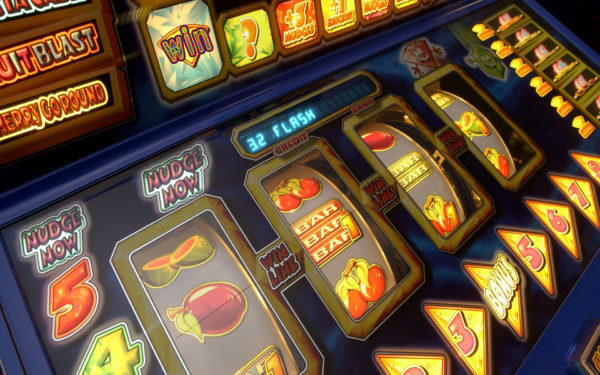
The 20th century heralded a new era for gambling, driven largely by technological advancements and changing societal attitudes. The introduction of electronic gaming machines in the 1960s revolutionized the gambling landscape, offering players a quick and engaging way to participate in games of chance. This technological shift not only expanded the variety of gambling options but also attracted a younger demographic, further embedding gambling into popular culture.
Legalization efforts gained momentum during this time, with numerous countries reevaluating their stance on gambling. The establishment of Las Vegas as a gambling mecca in the mid-20th century showcased the immense potential for economic growth through legalized gambling. This period also saw the rise of online gambling in the late 1990s, dramatically altering the way people engaged with games of chance. Players could now enjoy their favorite pastimes from the comfort of their homes, leading to a significant increase in gambling participation.
However, the rapid growth of the gambling industry also raised concerns about addiction and consumer protection. Regulatory frameworks were established in various jurisdictions to promote responsible gambling practices, ensuring player safety and well-being. The balance between entertainment and responsibility became a key focus, shaping the evolution of gambling throughout the latter half of the century and setting the stage for ongoing discussions in the 21st century.
The Contemporary Gambling Landscape
Today, gambling is a multi-billion-dollar industry that encompasses a wide array of activities, from traditional casinos to online platforms. The rise of mobile technology has made gambling more accessible than ever, allowing individuals to place bets or play games at their convenience. This evolution has sparked a global interest in gambling, leading to the development of various markets and regulatory approaches tailored to local cultures and values.
However, the challenges associated with gambling have also intensified. Issues such as addiction, fraud, and the impact on communities have prompted governments and organizations to implement responsible gambling measures. Awareness campaigns, self-exclusion programs, and support services aim to educate players about safe gaming practices and promote a healthier relationship with gambling.
Furthermore, as the gambling landscape continues to evolve, there is a growing emphasis on integrating technology with responsible practices. Innovative solutions, such as artificial intelligence and data analytics, are being employed to identify problem gambling behaviors and offer personalized interventions. This proactive approach not only aims to protect players but also to ensure the long-term sustainability of the gambling industry.
Exploring the Future of Gambling
As we look to the future, gambling remains a dynamic and multifaceted industry that reflects cultural shifts and technological advancements. The ongoing integration of virtual reality and augmented reality into gambling experiences suggests a new frontier for players seeking immersive and engaging environments. This evolution may redefine the way people perceive and interact with gambling, blending entertainment with interactive technology.
Responsible gambling practices will play an increasingly vital role as the industry grows. Balancing entertainment with safety will be essential for maintaining public trust and ensuring that gambling remains a positive aspect of societal culture. With advancements in technology, players will likely have access to more resources and tools to help them make informed decisions and manage their gambling behavior effectively.
As more jurisdictions consider legalizing various forms of gambling, the dialogue around responsible practices will remain crucial. Regulatory frameworks will need to adapt to the rapidly changing landscape, emphasizing the importance of consumer protection and player education. The future of gambling is not only about entertainment and profit but also about fostering a responsible gaming culture that prioritizes player safety and well-being.