 0
0
 0
0
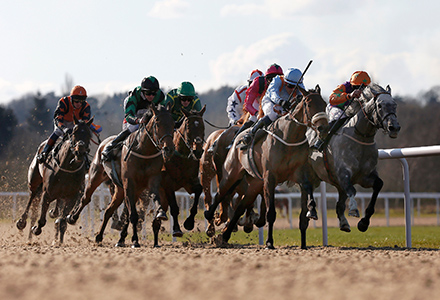
The UK horse racing scene is rich with history and tradition, drawing millions of fans and bettors each year. However, there are certain events and situations that can lead to races being ‘not on’, creating ripples of uncertainty among enthusiasts. Understanding what ‘not on’ means in this context, along with its implications, is essential for fans and bettors who enjoy immersing themselves in this sport. Additionally, as some bettors look for alternatives, UK horse racing not on GamStop horse racing betting sites not on GamStop have surfaced as a viable option. This article delves into the various factors that can contribute to races being deemed ‘not on’ and what that means for all stakeholders involved.
What Does ‘Not On’ Mean?
The term ‘not on’ in the context of UK horse racing refers to situations where a race or event is canceled or postponed due to various reasons. Such occurrences can be frustrating for fans and bettors who have been anticipating the races. Common reasons for a race being declared ‘not on’ include adverse weather conditions, issues with the track, or even health and safety concerns related to the horses or jockeys.
Common Factors Leading to Races Being ‘Not On’
Adverse Weather Conditions
One of the most prevalent reasons for races being called ‘not on’ is the weather. Heavy rain, snow, or extreme temperatures can render a track unsafe for horses and jockeys. When the ground becomes too soft or hard, it can pose serious risks, leading to decisions by officials to cancel or postpone events. Heavy winds can also create hazardous environments for both the horses and spectators, contributing to the need for cancellations.
Track Conditions
The condition of the racetrack plays a crucial role in determining whether a race can proceed. A poorly maintained track, which may have been affected by rain or other weather conditions, can lead to dangerous racing conditions. Track officials often conduct inspections leading up to race day to evaluate whether the course is suitable for racing.
Health and Safety Concerns
Another critical factor is the health and safety of the horses and jockeys involved. If a potential risk is identified, such as an outbreak of illness among horses or concerns regarding a particular horse’s fitness to race, officials must err on the side of caution. This can lead to races being canceled to ensure the welfare of the participants.
Other Unforeseen Circumstances
Unforeseen circumstances, such as accidents or emergencies, can also result in races being labeled as ‘not on’. This can include occurrences both on and off the track that may hinder the event from proceeding as scheduled. For instance, if a major incident occurs in the vicinity that impacts safety, events may be postponed or canceled.
Implications of Races Being ‘Not On’
The implications of a race being ‘not on’ extend beyond the immediate excitement of the event. Below are some of the key areas affected:
Impact on Fans
Fans who have traveled to attend a race can experience disappointment and frustration when events are canceled. This not only disrupts their plans but may also lead to financial consequences such as accommodation and travel costs. Additionally, the social aspect of gathering at the races is also lost when races are called off.
Bettors and Wagering
For those who engage in betting on horse races, an event being ‘not on’ halts wagering activities for that particular race. Bettors who have placed bets may experience confusion about how their bets are handled – whether they are voided, carried over to the next similar event, or refunded. For avid bettors, this uncertainty can add an extra layer of frustration.
Financial Ramifications for the Industry
From an industry perspective, repeated cancellations can have significant financial ramifications. Each canceled event represents a loss of revenue from ticket sales, concessions, and betting activities. Over time, persistent issues leading to races being ‘not on’ can affect the financial stability of venues, which may lead to broader economic implications for associated businesses, including vendors and local tourism.
Best Practices for Fans and Bettors
While race cancellations can be unavoidable, there are best practices that fans and bettors can adopt to minimize disappointment:
Stay Informed
Being proactive and staying updated on race schedules and any potential disruptions is essential. Most racetracks and betting sites provide real-time updates through their websites and social media channels. Following these platforms can help you stay ahead of any cancellations or changes.

Alternative Betting Options
As previously mentioned, there are horse racing betting sites not on GamStop that provide additional avenues for bettors. Exploring these options can ensure that you have access to betting opportunities even if certain events are canceled.
Embrace the Community
Engaging with the racing community can be beneficial, especially during times of uncertainty. Social media groups, forums, and local meet-ups can serve as platforms to discuss news, trends, and alternative races.
Conclusion
In the vibrant world of UK horse racing, the experience of the sport can be significantly impacted by instances of races being ‘not on’. Understanding the factors that contribute to these cancellations, along with their implications for fans and bettors, is essential for anyone involved in the racing community. By staying informed and exploring available alternatives, enthusiasts can continue to enjoy the excitement of horse racing, regardless of unforeseen disruptions.



